
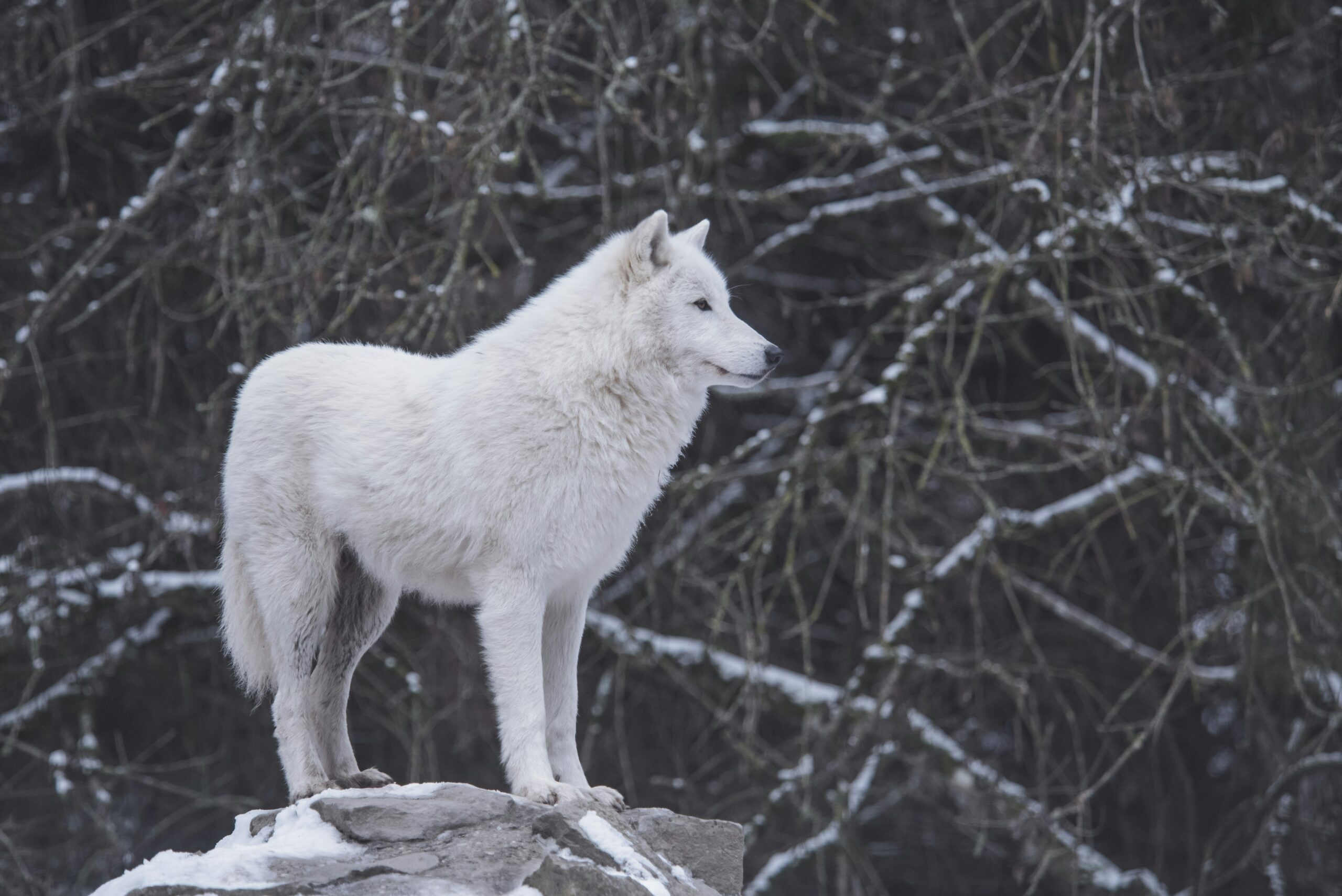
If you’re wired to do your best thinking alone, you’re not “antisocial” — you’re often practicing a healthier form of independence. The most useful way to look at lone wolf traits is this: they describe someone who chooses solitude on purpose (for focus, clarity, or peace) rather than someone who’s isolated or lonely by default. Psychologists sometimes call the healthy version “positive solitude,” meaning time alone that supports well-being instead of draining it.
The upside is real: lone wolves can be deeply self-directed, hard to pressure, and unusually good at concentrating without external validation. The downside is also real: too much avoidance of groups can shrink your opportunities, your support system, and your tolerance for normal social friction.
Key takeaways
- Lone wolf traits are about choice, not exile — the healthy version is positive solitude, not isolation.
- The strengths are focus and self-trust — you rely on internal signal, not group approval, which reduces peer pressure.
- Crowds aren’t “better,” just different — they’re efficient for learning, opportunity, and coordination (even if they drain you).
- The goal is selective connection — a few intentional rooms beat constant socializing.
- Watch the red flags — if solitude becomes avoidance, it stops being a strength.

What Lone Wolf Traits Really Mean (and what they don’t)
Lone wolf traits don’t automatically mean you dislike people. They usually mean you don’t want your life to be organized around people.
A clean way to separate the common confusions:
- Solitude (healthy): You choose alone time and feel restored by it. Forbes’ psychology coverage describes this as positive solitude — time alone used for reflection, creativity, or calm.
- Loneliness (painful): You want connection but feel cut off from it.
- Isolation (risky): You withdraw even when connection would help, often because social situations feel unsafe, exhausting, or pointless.
- Introversion (neutral trait): You may love people but need recovery time afterward.
- Shyness/social anxiety (experience): You want connection but fear judgment or rejection.
A simple self-check: when you skip a social situation, do you feel relief (solitude) or regret (loneliness)? If it’s mostly relief, your “lone wolf” wiring may be more strength than problem.
Lone Wolf Traits That Become Superpowers (when you use them on purpose)
The “superpower” version of lone wolf traits looks less like a movie hero and more like a person with a strong internal operating system.
Here are the strengths that show up again and again in research and in real-world descriptions:
- Independent energy management. People who enjoy positive solitude often describe alone time as a way to recharge and recover from high-demand social situations.
- Self-reliance and resilience. In the same research discussion, independence is linked to inner confidence and the ability to handle challenging experiences without needing constant external reassurance.
- Self-reflection that actually goes somewhere. Solitude-friendly people use alone time to process thoughts and feelings instead of staying busy to avoid them.
- Original thinking (less “group gravity”). LonerWolf’s popular “signs” list frames this as nonconformity and a preference for freedom — the tendency to resist doing something just because it’s normal.
- Low peer-pressure susceptibility. One Reddit user described the benefit plainly: “I feel like I’m less susceptible to peer pressure… I do what I like to do and I don’t mind doing it alone.”
In practice, this can make lone wolves excellent at:
- doing deep work without needing a hype crew
- making clean decisions without committee-thinking
- building niche skills quietly (and becoming surprisingly competent)
The tradeoff: these strengths compound fast when you have just enough community to keep you grounded.r many lone wolves, self-reliance is the result of learning early that no one else would step in.
What Crowds Are Good For (even if you don’t love them)
If solitude is where you create, crowds are often where you compound.
Crowds are efficient for things lone wolves often don’t prioritize—but still benefit from:
- Opportunity surface area. More rooms = more weak connections = more chances to learn what’s happening and where you fit.
- Feedback and buy-in. Even a great idea can stall if nobody understands it, trusts it, or feels included.
- Coordination. Some goals are simply faster with shared context.
A leadership-focused take from Get Lighthouse uses a blunt line to make the point: a leader can’t be a leader if they turn around and nobody is there. You don’t have to be a crowd person to accept the reality: certain outcomes (teams, communities, movements, even healthy families) require some group participation.
The key is not to “become social.” It’s to use crowds like a tool—sparingly, intentionally, and on your terms.

A Practical Balance: Deep Work Mode vs Connection Mode
Here’s a simple framework that keeps lone wolf strengths intact without drifting into isolation.
1) Decide which mode you’re in before you commit
- Deep Work Mode (solo): You need focus, recovery, or clarity.
- Connection Mode (selective): You need input, support, introductions, or momentum.
If you don’t pick a mode first, you’ll default to whatever other people want—and that’s where burnout starts.
2) Use a “two-yeses” rule for social plans
One Reddit lone-wolf description nailed it: “I only say yes if both are true: I like being around the person AND I’m at least ok with what we’re doing.”[4]
That rule prevents the most common lone-wolf failure pattern: showing up to the wrong crowd, getting drained, and then deciding all crowds are bad.
3) Borrow these boundary scripts (so you don’t have to improvise)
- Leave early (without guilt): “I’m going to head out after 45 minutes—wanted to say hi and catch up.”
- Swap crowds for 1:1: “I’m not great in big groups. Want to grab coffee one-on-one next week?”
- Opt out cleanly: “I’m keeping this week quiet to reset. I’m in for the next one.”
This is the high-leverage move: you keep your energy and maintain relationships.
When the Lone Wolf Pattern Turns Costly (and what to do instead)
Positive solitude has a line. Cross it, and it stops being a strength.
Watch for these red flags:
- You refuse help as a reflex. Get Lighthouse describes how extreme independence can lead people to sideline others and hoard responsibility. Outside of work, that looks like “I’ll handle it” even when you’re overwhelmed.
- You feel worse after being alone. Forbes draws a meaningful line between positive solitude and harmful self-isolation. If alone time increases rumination, bitterness, or numbness, it’s not restorative anymore.
- Your world keeps shrinking. Fewer invitations, fewer people you can call, fewer places you feel you belong.
A course-correct that doesn’t betray your nature:
- Keep solitude as your default.
- Add one intentional container for connection (a class, a small group, a monthly dinner, a volunteer shift).
You’re not joining crowds to be popular. You’re building a thin layer of community so your independence stays healthy.
Conclusion
Your lone wolf traits don’t need to be “fixed.” They need to be aimed.
Try this for the next 14 days:
- Block two solitude windows (60–90 minutes) each week for your best thinking.
- Pick one crowd moment that’s strategic (a meetup, a workshop, a dinner, a hobby group) and plan an exit time in advance.
That’s the balance: you protect the solitude that makes you strong, and you use crowds only where they genuinely help.
References
[1] Mark Travers (Forbes) — “3 Signs Of The ‘Lone-Wolf Effect,’ According To A Psychologist” — https://www.forbes.com/sites/traversmark/2024/02/19/3-signs-of-the-lone-wolf-effect-according-to-a-psychologist/ [2] Jason Evanish (Get Lighthouse) — “Why the Lone Wolf Personality Fails as a Leader (and how to fix it)” — https://getlighthouse.com/blog/lone-wolf-personality-traits/ [3] Aletheia Luna (LonerWolf) — “7 Lone Wolf Personality Signs (and Your Unique Gifts)” — https://lonerwolf.com/lone-wolf-personality/ [4] Reddit — r/SingleAndHappy: “Have you always been a lone wolf?” — https://www.reddit.com/r/SingleAndHappy/comments/1u8tul3/have_you_always_been_a_lone_wolf/